Home-Based Autism Therapy vs. Clinic-Based ABA: A Parent’s Guide to Decision Making
Choosing the right ABA service https://penzu.com/p/06ec34d02bc228af model is one of the most important decisions families make after an autism diagnosis. Between home-based autism therapy and clinic-based ABA services, both approaches can produce meaningful gains. The best fit depends on your child’s profile, family routines, goals, and the level of support you want from your care team. This guide explains how each option works, what to consider in a therapy setting comparison, and how to match ABA therapy locations to your child’s needs.
Understanding the core approaches
- Home-based autism therapy: Services are delivered in your home, often where your child spends the most time. This approach emphasizes real-life routines, flexible scheduling, and strong parent involvement ABA. It frequently incorporates natural environment teaching (NET), where skills are coached and practiced in the same contexts where they’ll be used—mealtime, dressing, play, chores, and sibling interactions. Clinic-based ABA services: Therapy is delivered in a structured therapy setting with standardized materials, dedicated therapy rooms, and controlled conditions. Clinics tend to offer systematic teaching, peer practice opportunities, and a predictable schedule. Many clinics blend discrete trial training with small-group work, social skills practice, and NET elements when appropriate.
Key dimensions to compare
1) Learning environment and teaching methods

- Home-based autism therapy: NET is a hallmark. Clinicians embed learning into household routines—requesting favorite foods at snack time, following directions during cleanup, or practicing communication during play with familiar toys. This can accelerate behavior generalization because the child learns in the same environment where skills are needed. Clinic-based ABA services: A structured therapy setting can reduce distractions, support precise data collection, and facilitate stepwise skill acquisition. Standardized materials and procedures can help with consistency, especially for early learners or children who benefit from clear boundaries and repetition.
2) Generalization and maintenance of skills

- Home-based autism therapy: Because sessions occur where the skills will be used, generalization to daily life may be more immediate. Family members can be coached to prompt and reinforce skills throughout the day. Clinic-based ABA services: Generalization is planned intentionally. Therapists may stage community outings, assign home practice, and collaborate with families to transfer gains. Children who master skills in the clinic may need structured plans to use them at home, school, or in the community.
3) Social opportunities and peer interaction
- Home-based autism therapy: Social practice often involves siblings, caregivers, and neighbors. If your child needs broader peer exposure, you may need to supplement with playgroups or community activities. Clinic-based ABA services: Many clinics host small groups or peer pairing to target turn-taking, conversation, cooperative play, and classroom readiness, which can be especially helpful for school transition.
4) Parent involvement ABA and caregiver coaching
- Home-based autism therapy: High access to live modeling and coaching. Parents often observe sessions, practice techniques, and receive immediate feedback within their routines. This can build caregiver capacity and reduce caregiver stress by aligning goals with real-life challenges. Clinic-based ABA services: Parent training is still integral, though it may occur in scheduled sessions rather than during every therapy hour. Some families appreciate a defined boundary between therapy time in the clinic and family time at home, while still receiving structured training and home plans.
5) Structure, predictability, and sensory factors
- Home-based autism therapy: The home environment can be tailored for comfort, but it may introduce distractions (TV, pets, siblings). Therapists can collaborate to set up a dedicated space or modify routines to support attention and regulation. Clinic-based ABA services: Clinics are intentionally designed for behavioral instruction, often with visual schedules, low-clutter rooms, and sensory supports. This can benefit children who thrive in consistent, predictable spaces.
6) Coordination with schools and other providers
- Home-based autism therapy: Teams can align goals with school IEPs by targeting homework routines, morning transitions, or communication supports used at home and school. Therapists may conduct school visits if permitted. Clinic-based ABA services: Clinics often have established processes for collaborating with schools, speech therapists, and OTs. On-site collaboration with multiple disciplines can be a plus if the clinic houses a multidisciplinary team.
7) Scheduling, travel, and family logistics
- Home-based autism therapy: Eliminates commute and may fit more naturally into your day, especially for families with multiple children. However, it requires opening your home to providers and keeping a consistent schedule and space available. Clinic-based ABA services: Travel time and transportation are considerations, but clinic schedules may be more predictable. Some families prefer the clear separation between therapy and home life.
8) Supervision and staffing
- Home-based autism therapy: Quality depends on how your provider structures supervision and training. Ask how often a Board Certified Behavior Analyst (BCBA) will observe in person, how feedback is delivered, and how progress is reviewed. Clinic-based ABA services: Supervisors are often on-site, allowing frequent observation, rapid troubleshooting, and team huddles. This can be beneficial for complex behavior plans or for quickly adapting teaching strategies.
9) Safety and behavior support
- Home-based autism therapy: For behaviors that occur primarily at home (elopement from the yard, mealtime aggression, bedtime struggles), in-home ABA therapy allows direct assessment and intervention within the context where they happen. Clinic-based ABA services: Clinics can provide controlled conditions and safety protocols for high-intensity behaviors. Staff may have quick access to additional support personnel and equipment.
How to decide: A practical framework
- Clarify priority goals: If your top goals involve daily routines (toothbrushing, independent play, mealtime flexibility), home-based autism therapy may provide faster carryover. If goals center on early learning readiness, compliance with classroom instructions, or peer interaction, a clinic’s structured therapy setting and peer groups may be advantageous. Consider your child’s learning profile: Children who are easily distracted or who need strong visual structure may benefit from clinic-based ABA services. Children who struggle with using skills outside of therapy may do better in a NET-heavy home program. Evaluate family capacity and preferences: Do you want intensive parent involvement ABA with frequent in-the-moment coaching? Home may be best. Do you prefer professional-led sessions in a separate space with scheduled parent training? The clinic model may suit you better. Think about behavior generalization: If generalization has historically been difficult, favor models that deliberately plan for it. Home programs naturally embed generalization; clinic programs should include structured home practice and caregiver training. Explore hybrid ABA service models: Many providers offer a mix—some days in the clinic for structured instruction and peer groups, other days at home to integrate skills into routines. Hybrids can balance consistency with real-world application. Assess provider quality, not just location: Ask about BCBA caseloads, staff training, supervision frequency, data review meetings, collaboration with schools and related therapies, and how treatment is individualized. The best ABA therapy locations are those with strong clinical oversight and clear communication.
Questions to ask potential providers
- How do you decide between NET and more structured teaching for my child? What is your plan for behavior generalization to home, school, and community? How frequently will a BCBA observe sessions and meet with our family? Do you offer both home-based and clinic-based sessions, and can we switch or blend ABA service models as needs change? How will you measure progress and adjust the plan if goals are not being met?
Frequently asked questions
Q: Is one setting proven to be more effective overall? A: Research supports both when implemented with quality and matched to the child’s needs. Outcomes hinge on individualized goals, skilled supervision, consistency, and parent engagement rather than the setting alone.
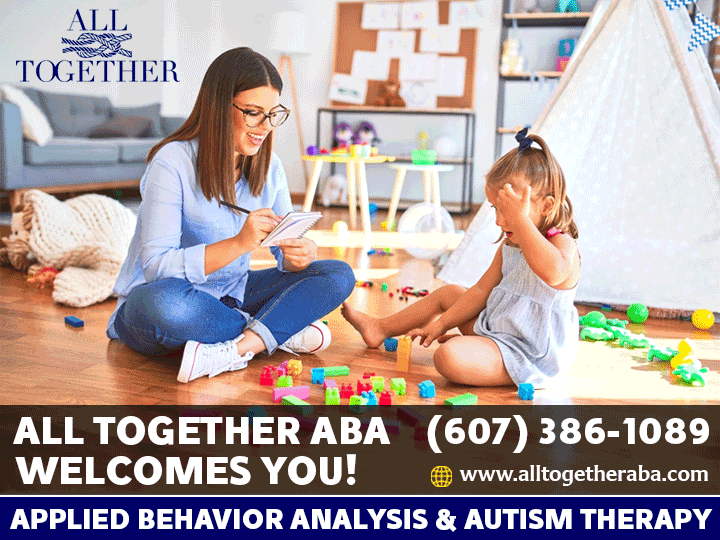
Q: What if my child does well in structured teaching but struggles to use skills at home? A: Consider a hybrid. Maintain clinic-based ABA services for structured skill-building, and add home sessions focused on natural environment teaching (NET) and caregiver coaching to bridge skills into daily life.
Q: How much parent involvement ABA is expected? A: It varies. Home-based programs typically include frequent in-session coaching. Clinic models may schedule dedicated parent training. In both, caregiver participation is a strong predictor of behavior generalization and long-term success.
Q: Can we change ABA therapy locations if our needs evolve? A: Yes. Many providers support transitions and blended ABA service models. Reassess after major milestones, school changes, or if progress plateaus, and pivot to the therapy setting comparison that best aligns with updated goals.